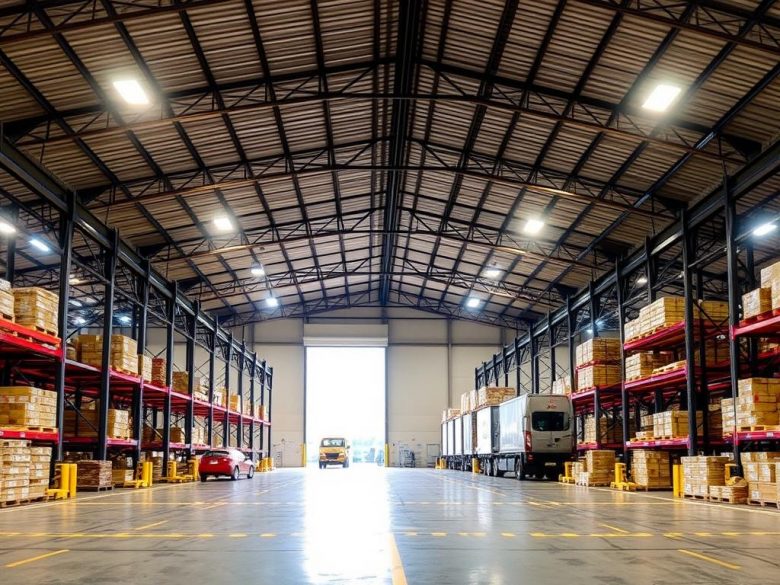
The strategic positioning of Limassol as Cyprus’s main maritime gateway has driven a significant surge in the demand for logistics property Cyprus-wide, with a pronounced emphasis in and around the Limassol port industrial zone. Investors exploring opportunities in this sector often seek to understand the dynamics influencing cargo storage demand Cyprus faces today and in the future. In this detailed analysis, we dive deeply into the reasons why warehouse investments near Limassol port have gained traction, examining market trends, economic drivers, and operational advantages that shape this niche.
The island’s economic transformation, coupled with growing regional trade, underpins the rising interest in warehouse for sale Limassol listings. Cyprus’s position as a trade nexus linking Europe, Asia, and the Middle East makes its logistics and warehousing sectors pivotal for sustained growth. Especially near the Limassol port industrial zone, this nexus provides prime infrastructure and connectivity that appeals to logistics operators, manufacturers, and investors alike.
Understanding the Strategic Significance of Limassol Port
Limassol port is the largest seaport in Cyprus, handling over half of the country’s merchant fleet cargo and a dominant percentage of passenger and vehicle traffic via sea. Its location along key Mediterranean maritime routes offers unparalleled access to international shipping lanes. This access creates consistent demand for proximate storage facilities. A warehouse for sale Limassol near the port doesn’t just serve local supply chains—it plays a vital role in transshipment, import-export operations, and regional distribution.
The port’s ongoing modernization efforts have also enhanced its capacity and operational efficiency. Advanced container handling equipment, expanded docking spaces, and improved logistics solutions contribute to creating an industrial zone around Limassol that is increasingly attractive to warehousing investors. Government initiatives to incentivize logistics infrastructure development further solidify this area as a robust logistics hub.
Limassol port’s modernization and strategic location turn the surrounding industrial zone into a logistics goldmine, driving warehouse demand.
In this context, Cyprus warehouse investment near the port is poised to benefit from the growing volume of goods flowing through the island, rising e-commerce distribution needs, and the shift in regional supply chain patterns favoring proximity to maritime facilities. This makes logistics property Cyprus-wide, but especially around Limassol, a crucial asset category for institutional and private investors.
Trends Driving Cargo Storage Demand Cyprus-Wide
The growth in cargo storage demand Cyprus is experiencing is underpinned by multiple interrelated factors. First and foremost is the increase in Cyprus’s import and export volumes, fueled by trade diversification and expanding commercial partnerships beyond traditional markets. Limassol port’s role as a transshipment center has intensified as shipping companies leverage smaller, specialized hubs to optimize routes and cut costs.
Secondly, the rise of e-commerce across Cyprus and neighboring regions has precipitated a rapid need for warehousing spaces suitable for last-mile distribution. Warehouses near Limassol port connect import points directly to distribution networks servicing the island’s major urban areas and tourist hotspots. As a result, modern warehouse designs incorporating automation, temperature control, and flexible configurations are in strong demand.
Moreover, Cyprus aims to become a regional logistics center, particularly for the Eastern Mediterranean, which boosts governmental focus on developing logistics property Cyprus-wide. The increased cargo throughput—both containerized and bulk goods—calls for scalable storage solutions located close to port facilities. The Limassol port industrial zone stands out as the natural area to meet this growing storage volume.
Shifting trade routes, e-commerce growth, and government strategy combine to drive intensive cargo storage demand within Cyprus.
Key Factors Contributing to Cargo Storage Demand
| Factor | Impact on Cargo Storage |
|---|---|
| Trade Volume Increase | Higher import/export flow requires more storage capacity. |
| E-Commerce Growth | Demand for distribution-friendly warehouses rises. |
| Port Modernization | Improved efficiency encourages more cargo throughput. |
| Government Support | Incentives accelerate logistics infrastructure expansion. |
The Limassol Port Industrial Zone: Logistics and Investment Hub
The Limassol port industrial zone has transformed from a modest cargo handling area into a sophisticated logistics ecosystem. This zone incorporates warehousing, manufacturing, light industry, and service providers that together create a seamless supply chain environment. Investors targeting a warehouse for sale Limassol sector recognize this zone’s infrastructural advantages—proximity to docks, access to major highways, and availability of modern utilities.
Commercial real estate developers and logistics companies specialize in creating value-added warehouses, with features such as high ceilings, advanced security, integration with IT-driven inventory management systems, and sustainable building designs. The demand for modern logistics property Cyprus offers is concentrated here, driving up both lease and purchase prices for warehouses.
Additionally, the industrial zone benefits from connectivity to the island’s road network, linking Limassol port directly to inland markets and Export Processing Zones. This allows businesses to minimize transportation times and costs, improving overall supply chain responsiveness. Such benefits stimulate higher interest from diverse sectors—retail, manufacturing, and third-party logistics (3PL) providers.
The Limassol port industrial zone stands as Cyprus’s logistics backbone, blending optimal connectivity with advanced warehousing infrastructure.
Comparative Advantages of the Limassol Port Industrial Zone
- Direct interface with maritime shipping routes and container handling facilities.
- Supportive government policies encouraging logistics sector development.
- Growing ecosystem of transport, distribution, and value-added service providers.
- Modern infrastructure supporting contemporary warehousing needs.
- Proximity to the largest Cyprus population centers for quick deliveries.
Cyprus Warehouse Investment: Financial and Market Considerations
Investing in a warehouse for sale Limassol presents a robust proposition based on multiple financial and market considerations. The rapid industrial and commercial expansion of the island creates positive rental yield prospects and capital appreciation potential. Warehouses near Limassol port represent scarce assets in a high-demand location, often commanding premium rates compared to less accessible regions.
Factors affecting Cyprus warehouse investment profitability include the quality of the asset, tenant profile, lease terms, and scalability options. Prime warehouses located within the Limassol port industrial zone tend to retain high occupancy levels due to strong demand from logistics providers wanting reduced turnaround times and increased operational flexibility. Many investors find long-term leases with established tenants reduce risk and provide steady cash flow.
It is also important to consider Cyprus’s growing role as a logistical hub not just locally but with regional ambitions. This elevates the strategic value of warehouses near Limassol port, enhancing investor confidence, especially amid increasing global trade volatility that encourages firms to diversify supply chain networks. Moreover, government facilitation on land permits and infrastructure upgrades lowers entry barriers for logistics property Cyprus-wide.
Warehouse investments near Limassol port offer unique potential for high returns driven by scarcity, location, and strong logistics demand.
Key Financial Metrics for Warehouse Investment
| Metric | Typical Range (Limassol Port Industrial Zone) |
|---|---|
| Net Yield | 6% to 8% |
| Occupancy Rate | 85% to 95% |
| Capital Appreciation | 5% to 7% annually |
| Lease Duration | 5 to 10 years typically |
Challenges and Risks in Warehouse Investments Near Limassol Port
No investment is without risk, and warehouse investments near Limassol port are no exception. Potential investors must consider macroeconomic shifts, competition, evolving logistics technologies, and regulatory changes. The relatively small scale of Cyprus’s market means that economic shocks have outsized impacts on demand for logistics property Cyprus-wide.
Another concern is the growing competition from alternative logistics hubs in the Eastern Mediterranean region that offer incentives and highly specialized infrastructure. While Limassol port industrial zone remains dominant, investors should remain vigilant about regional developments that may alter cargo routing preferences or tenant interest.
Furthermore, evolving requirements in warehouse functionality—such as automation and energy efficiency—may necessitate additional capital expenditures over time, impacting profit margins. Planning for flexible adaptation is essential. Logistics trends such as ‘just-in-time’ delivery and warehousing digitization also place premium demands on operational efficiency, presenting both opportunities and challenges.
Understanding risks—economic, regional, and technological—is key to securing long-term value in Limassol port warehouse investments.
Outlook: How Will the Limassol Logistics Market Evolve?
Looking ahead, the outlook for warehouse investments near Limassol port remains positive but requires strategic foresight. Continued growth in cargo storage demand Cyprus-wide is projected, driven by trade realignment, rising e-commerce penetration, and government-led logistics sector initiatives.
Investors who prioritize modern, flexible facilities within the Limassol port industrial zone will likely capitalize on the increased demand. Moreover, as digital transformation reshapes supply chain models, logistics property Cyprus owners must anticipate new tenant needs involving integrated technology and sustainability requirements.
Infrastructure improvements, including road expansions and port upgrades, will further anchor Limassol’s role as a logistical hub, solidifying its position within regional trade networks. A key factor for future success will be collaboration between public authorities, private investors, and logistics firms to ensure the industrial zone continues to meet evolving cargo storage demand Cyprus experiences.
Finally, the limited availability of prime warehouses for sale, coupled with predictable rental income and strategic location advantages, will maintain investment interest. However, market participants should carefully evaluate asset quality and tenant stability to manage emerging uncertainties.
The future of logistics and warehousing near Limassol port combines growth prospects with evolving tenant demands and competitive pressures.
Seizing the Opportunity: Why Warehouse Investments Near Limassol Port Matter
Warehouse investments in proximity to Limassol port are more than just a real estate play—they are foundational elements in Cyprus’s transforming logistics landscape. With increasing marine cargo throughput, improved infrastructure, and a strategic geographic position, the Limassol port industrial zone offers unparalleled access to fast-growing trade corridors and regional distribution networks.
For investors, tapping into this dynamic segment means engaging with a sector primed for expansion. Logistics property Cyprus-wide is undergoing a period of modernization and professionalization, with Limassol at its heart. The robust cargo storage demand Cyprus continues to show ensures that warehousing assets near the port will remain essential for supply chain efficiency and resilience.
In conclusion, warehouses for sale Limassol capture a nexus of location advantage, market demand, and forward-looking infrastructure development. Pragmatic investment strategies that align with regional trade developments and tenant requirements will unlock sustained value and market leadership in Cyprus’s evolving logistics ecosystem.
Investing in Limassol port-proximal warehouses secures access to a thriving logistics frontier critical to Cyprus’s economic future.
Frequently Asked Questions
- Why is Limassol port a key factor for warehouse investment in Cyprus?
Limassol port is Cyprus’s largest seaport and a major gateway for cargo, making nearby warehouses essential for efficient storage and distribution. - What types of logistics properties are most in demand near Limassol port?
Modern warehouses with flexible layouts, temperature control, and proximity to transportation hubs are most sought after near Limassol port. - How does e-commerce growth affect cargo storage demand Cyprus-wide?
E-commerce growth drives demand for warehouses capable of fast, last-mile delivery and inventory management, increasing overall storage needs. - What are the typical financial returns on warehouse investments near Limassol port?
Investors generally see net yields between 6% and 8% with stable occupancy and potential for capital appreciation of 5% to 7% annually. - Are there significant risks associated with investing in warehouses near Limassol port?
Yes, including economic fluctuations, regional competition, and technological changes impacting warehouse requirements. - What government actions support logistics property Cyprus-wide growth?
Initiatives include port modernization, infrastructure upgrades, and incentives to encourage logistics infrastructure development. - How can investors future-proof warehouse investments in this region?
By selecting flexible, technologically equipped warehouses and maintaining strong tenant relationships within the Limassol port industrial zone.