Deciding where to retire involves a complicated blend of lifestyle preferences, practicalities, and financial realities. Cyprus, with its Mediterranean charm, warm climate, and welcoming culture, attracts retirees from across Europe and beyond. Yet the cost of retirement in Cyprus varies widely depending on whether one chooses small-town living Cyprus or the allure of bustling resort towns. This article provides a comprehensive cost comparison to help retirees build an informed retirement budget Cyprus, examining not only the numerical data but also the experiential differences between these two lifestyles.
Retirees considering Cyprus must look beyond sunny beaches and picturesque streets. They must analyze the retire in Cyprus cost factors, including housing, daily living expenses, healthcare, leisure, and transport. Small towns offer a different economic and social fabric compared to resorts, which tend to be tourism-driven with higher prices. Understanding these distinctions is critical for forming a sustainable retirement plan that balances quality of life with financial security.
Understanding the Cyprus Retirement Landscape
Cyprus has steadily grown as a preferred retirement destination due to its affordable healthcare, favorable tax policies for foreign retirees, and the generally low cost-of-living retirees Cyprus experience relative to Northern and Western Europe. The country offers diversity in living environments — from tranquil villages to vibrant coastal resorts.
Small-town living Cyprus typically means residing in quieter communities that retain traditional Cypriot culture. These towns often provide closer community ties and slower paces of life. Resort living prices Cyprus, in contrast, are influenced significantly by high tourist demand, international visitors, and upscale amenities that often raise the cost of housing, dining, and entertainment.
When drafting a retirement budget Cyprus, understanding these nuances shapes financial expectations and lifestyle outcomes. Retirees must carefully assess these environments, as the quality of services, social opportunities, and even subtle day-to-day expenses create notable differences in the retire in Cyprus cost.
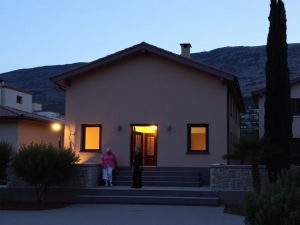
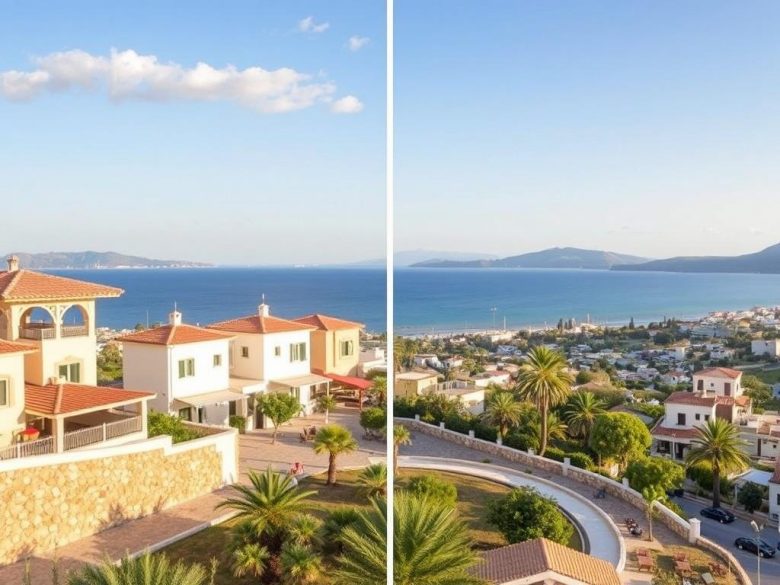
Choosing between small-town and resort living in Cyprus affects both your retirement expenses and your lifestyle experience.
Housing Costs: Core to Your Retirement Budget Cyprus
Housing represents the largest single expense in any retirement budget Cyprus. The difference between small-town living Cyprus and resort-living prices Cyprus is striking in this category. In small towns, property prices tend to be considerably lower, benefiting from less tourist-driven demand and more traditional market forces. Modest apartments or houses can sometimes be found at half the price of similar accommodations in popular resorts.
For example, a typical two-bedroom apartment in a quiet town like Polis, Paphos district, may range from €60,000 to €120,000 depending on the condition and location. In contrast, similar homes in resort-heavy areas like Ayia Napa or Limassol can exceed €150,000 and often go well beyond €300,000 for high-end developments near the waterfront.
Rental markets also highlight these disparities. Monthly rent for a standard two-bedroom unit in small towns averages around €400 to €600, while resort areas may demand €800 to €1,200, or even higher during peak seasons. Additionally, service fees and municipal taxes tend to be elevated in resort districts due to infrastructure demands and maintenance of tourist-friendly facilities.
Buying property is advantageous for retirees concerned about fluctuating rental costs. However, those seeking flexibility might opt to rent, which still offers significant savings if choosing small-town living Cyprus.
The choice of residence type heavily impacts the retire in Cyprus cost — with small towns offering significant savings on housing.
Daily Living Expenses: Comparing Cost-of-Living Retirees Cyprus Face
Daily expenses serve as the backbone of any retirement budget Cyprus. This includes groceries, utilities, transportation, entertainment, and personal care. Here, the divide is less severe than in housing, but still notable. Small-town living Cyprus generally means lower costs for fresh produce from local markets, reduced transportation needs within compact areas, and fewer costly tourist-related services.
In small towns, food staples such as fruits, vegetables, dairy, and meat are often sourced locally and priced accordingly. For example, groceries for a single person might total approximately €150 to €200 per month in small towns. In resort areas, however, many goods, especially imported or specialty items, are more expensive—sometimes by 20% to 30%—due to increased demand and supply-chain considerations for tourism-focused businesses.
Utility bills also show clear differences. Small towns benefit from lower municipal charges and sometimes reduced service costs. Electricity, water, and internet utilities for a retiree in a small town might average around €80 to €100 per month. In resorts, the same services can be 10-20% more expensive, especially if living in a larger or gated community with additional amenities.
Transportation expenses vary with lifestyle preferences. In small towns, many retirees find walking, cycling, or minimal car use sufficient, whereas resorts may encourage more frequent use of taxis or rental vehicles due to dispersed facilities. Public transport options, though limited, exist mostly outside major resorts and can be less frequent in rural areas.
Sample Monthly Budget Comparison
| Expense Item | Small-Town Living (€) | Resort Living (€) |
|---|---|---|
| Groceries and household supplies | 180 | 230 |
| Utilities (electricity, water, internet) | 90 | 110 |
| Local transportation | 30 | 70 |
| Dining out / entertainment | 60 | 120 |
| Healthcare (co-payments, meds) | 40 | 50 |
| Total Estimated Monthly | 400 | 580 |
Small-town living often means more affordable everyday expenses than resort areas, enabling a leaner retirement budget Cyprus.
Healthcare and Medical Costs: Access and Affordability Differences
Healthcare quality in Cyprus is generally high, with both public and private options available to retirees. The cost-of-living retirees Cyprus shoulder for medical care varies largely by location and healthcare provider choice. While public healthcare is accessible and subsidized, many expat retirees prefer private health services for speed and language convenience, which mainly exist around major towns and resort hubs.
Small-town living Cyprus can pose challenges in access to specialized private care, requiring travel to regional centers for some services. However, the cost of healthcare itself usually remains comparable or slightly lower than in resorts due to fewer tourists driving prices up. Medication, minor treatments, and routine visits are often more budget-friendly in smaller towns.
Resort-living prices Cyprus in healthcare escalate because of private facilities geared towards expats and tourists, featuring premium amenities and English-speaking staff. While costs are higher, the availability and quick turnaround times are attractive to some retirees. Insurance premiums, if factored in, also differ subtly, depending on providers catering to high-demand resort clientele.
Retirees often recommend evaluating proximity to hospitals and clinics before committing to accommodation choices, particularly for those with chronic health issues requiring ongoing monitoring or frequent medical attention.
The balance between healthcare accessibility and cost varies significantly between Cyprus’s small towns and resorts, influencing retirees’ living decisions.
Social Life and Leisure: Quality Versus Cost in Retirement Lifestyle
While not an obvious budgetary item, leisure activities heavily influence cost-of-living retirees Cyprus can expect. Resorts naturally offer a wider range of amenities such as golf courses, marinas, upscale restaurants, and nightlife. These come with higher entry and participation costs, as well as overall more expensive dining and entertainment options.
Small-town living Cyprus provides a slower, community-centered social life. The emphasis is more on local festivals, outdoor activities such as hiking, small cafés, and community clubs. While less glamorous than resorts, these options foster deeper engagement with Cypriot culture and local people. Expenses for entertainment and dining tend to be modest, reflecting local economic realities rather than tourist consumption patterns.
Some retirees prioritize access to resorts’ social infrastructure despite increased expenses, while others prefer the authenticity and affordability of smaller towns. Ultimately, these preferences shape retirement budget Cyprus estimates.
Typical Leisure Cost Comparisons
- Resort area dinner for two at a mid-range restaurant: €50-€80
- Small-town casual meal for two: €20-€35
- Monthly fitness club membership (resort): €60-€100
- Community center or local gym (small town): €15-€30
Leisure and social life costs differ widely, reflecting the contrasting lifestyles of Cyprus’s small towns and resorts.
Transportation and Mobility: Navigating Costs in Cyprus
Transportation costs are an often overlooked component of the retire in Cyprus cost but carry substantial weight depending on living location. Small-town residents benefit from concentrated locales where daily needs are within walking or short driving distance. This can reduce the reliance on personal vehicles and the associated fuel, maintenance, and insurance expenses.
Conversely, resort living prices Cyprus include higher transportation expenses because of more spread-out amenities and less comprehensive public transit services. Many resorts operate seasonal public transport tailored for tourists, with less consistent service in off-peak months, forcing retirees to invest in private vehicles or taxis more frequently.
Fuel costs in Cyprus align with European averages, but maintenance and insurance premiums can be slightly higher for occasional vehicle use typical of retirees in rural areas. Public transport, while improving, remains limited primarily to bus networks connecting major towns and cities, not always adequately servicing small towns or resorts.
Small-town living in Cyprus can minimize transportation costs through proximity, while resort areas often require more reliance on cars or taxis.
Hidden and Miscellaneous Expenses: Understanding the Fine Print in Costs
Beyond obvious costs, retirees should factor in less visible expenses when calculating a retirement budget Cyprus. These include local taxes, maintenance fees, home insurance, and unexpected medical or travel costs. Resort areas usually have higher municipal fees due to intensive infrastructure upkeep and added services demanded by tourists. Small towns often have lower taxes but may experience occasional increases as these areas develop.
Additional considerations include internet speed and reliability, essential for many retirees seeking online services or remote work. While Cyprus overall has well-developed internet infrastructure, resort areas tend to offer faster, more stable connections, whereas smaller towns may lag behind or be more expensive for top-tier speeds.
Also noteworthy are currency exchange rates and banking fees for expats managing finances internationally, which can subtly vary based on local banking options more prevalent in resort hubs.
Careful consideration of small, incidental costs prevents unexpected budget strain in both small-town and resort retirement options.
Financial Strategies for Retiring in Cyprus
Understanding the retire in Cyprus cost, correlated with one’s lifestyle choice, empowers retirees to create realistic and flexible financial plans. Many retirees adopt mixed strategies, purchasing property in small towns to capitalize on lower cost-of-living retirees Cyprus enjoy, while occasionally visiting resorts for leisure.
Key financial considerations include currency risk management, health insurance selection, and local tax compliance. Retirees often utilize local financial advisors familiar with Cyprus’s tax laws to optimize their retirement income and minimize liabilities.
Investing time in detailed planning allows retirees to enjoy the many benefits Cyprus has to offer without jeopardizing financial security. Knowing when to stretch the budget for occasional treats in resorts or saving consistently through small-town living keeps retirement both pleasurable and fiscally sound.
A well-informed retirement budget Cyprus requires balancing spending comfort with cost-saving strategies tailored to living environments.
Choosing Your Retirement Path: Small Town Versus Resort in Cyprus
When comparing small-town living Cyprus and resort-living prices Cyprus, the central question becomes: what retirement lifestyle do you envision, and how does it align with your financial resources? Small towns promise affordability, authenticity, and tranquility but may lack some conveniences and high-end amenities. Resorts offer vibrancy, diversified social scenes, and convenience but come at a cost—in both finances and occasionally, lifestyle pace.
Retiring in Cyprus is a journey of measured choices. Practical financial planning, combined with a clear understanding of each environment’s pros and cons, ensures retirees optimize their quality of life while controlling expenses.
Whether leaning toward the gentle rhythms of small-town life or the animated scope of resort living, Cyprus extends a welcoming, enriching backdrop to your retirement years. Deep knowledge of the retire in Cyprus cost and cost-of-living retirees Cyprus face ensures you approach this transition with confidence and clarity.
Your Retirement in Cyprus Awaits: Weighing Cost Against Lifestyle
The decision to retire in Cyprus is laden with excitement and responsibility. Evaluating small-town living Cyprus alongside resort-living prices Cyprus reveals contrasting financial landscapes shaped by distinct lifestyle choices. This article’s detailed exploration underscores that while small towns offer significant cost advantages in housing, daily expenses, and transportation, resorts provide amenities and social opportunities that come with a price premium.
Your retirement budget Cyprus must align with the lifestyle you value most. Consider how healthcare access, leisure preferences, and transportation factor into your overall costs and well-being. Small-town living enables a simpler, more serene retirement with greater financial leeway. Resort living invites a dynamic, activity-rich life but requires a deeper wallet and a tolerance for crowds and seasonality.
In the final analysis, Cyprus offers both pathways—not as competing options but as complementary choices that, when understood, empower retirees to live well according to their means and dreams. Your next step is to assess your priorities, plan prudently, and embrace the Cypriot lifestyle that truly fits your desired retirement experience.
Retirement success in Cyprus hinges on matching your financial means with the lifestyle environment that best supports your personal needs and aspirations.
Frequently Asked Questions
-
What is the average monthly retire in Cyprus cost?
The average monthly cost varies but generally ranges from €800 to €1,500, depending on whether you choose small-town living Cyprus or resort areas, with small towns tending toward the lower end. -
Are healthcare costs significantly higher in resort areas?
Healthcare costs in resorts are modestly higher due to more private service options and convenience, but public healthcare remains affordable throughout Cyprus. -
Can I rely on public transportation in small towns?
Public transport is limited in small towns, so owning a car or using local taxis may be necessary for convenience, though daily travel distances tend to be shorter. -
Is property more affordable outside the main resort towns?
Yes, property prices and rental rates are significantly lower in Cyprus’s small towns compared to popular resort destinations. -
What hidden costs should retirees budget for in Cyprus?
Retirees should consider municipal taxes, property maintenance fees, health insurance, and occasional travel costs in their retirement budget Cyprus. -
Is it better financially to rent or buy a property in Cyprus as a retiree?
Buying is generally more cost-effective in the long term, especially in small towns where prices are lower, but renting offers flexibility, particularly for shorter stays. -
How does the cost of dining out compare between small towns and resorts?
Dining out is typically more affordable in small towns, often costing half to two-thirds of what similar meals cost in resorts, where prices reflect tourist demand.