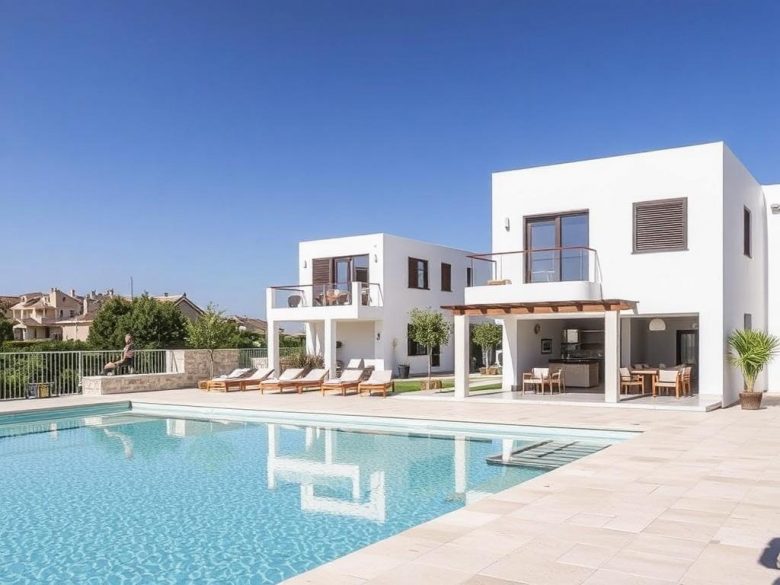
Selling a property in Cyprus requires a blend of local knowledge, technical preparation and targeted promotion. Whether you own a coastal villa, a city apartment in Nicosia, or a small investment in Paphos, understanding the market mechanics is the first practical step to getting the best outcome. To begin this process on a reliable foundation, consult independent listings and market intelligence such as Сyprus real estate platforms to see comparable sales, track buyer interest and identify active price ranges.
Over the next several sections I will map out a comprehensive, tactical approach to moving your asset efficiently and for maximum value. This guide synthesises valuation practice, practical pre-marketing work, digital promotion, agent selection, negotiation technique and closing logistics specific to Cyprus. Each section focuses on a distinct part of the sales lifecycle so you can apply discrete, measurable improvements without repeating the same effort across stages.
Understanding the Cyprus Market: Who Buys and Why
Cyprus has a visibly segmented buyer base: local buyers seeking primary homes, European and international retirees or second-home seekers, investors targeting rental yields, and developers looking for land parcels. Each segment approaches pricing and risk differently. Locals often prioritise long-term utility and neighborhood amenities; international buyers put a premium on coastal access, legal clarity and residency regulations; investors examine yield, upside potential and management overhead.
Macro drivers such as tourism flows, the island’s citizenship-by-investment history, and comparative housing affordability relative to other Mediterranean markets influence transaction velocity and accepted discounting during negotiations. Understanding these drivers lets you calibrate timelines and marketing intensity to align with the likely buyer cohort for your asset.
Segment your likely buyer pool first—your marketing message, valuation expectations and showing strategy should reflect that segmentation precisely.
Data quality matters. Price trends at the municipal or neighbourhood level vary more than national averages indicate. For sellers, precise comparative metrics—recent closed sales within a 1–3 km radius and within the same property class—yield realistic expectations and reduce time on market. Avoid using distant or outdated comparables even if headline national metrics look favourable.
Local regulatory considerations also matter: transfer taxes, VAT on new properties, and nationality-driven incentives affect net proceeds for different buyers. When selling in Cyprus, factor in the legal status of the title (freehold vs. leasehold) and any outstanding encumbrances early to prevent surprises that derail sales mid-process.
Preparing Your Property: Presentation, Documentation and Practical Upgrades
First impressions translate directly into offers. Presentation begins well before a first viewing: clear, professional photographs and a coherent set of documents create buyer confidence. Buyers respond to clarity, so assemble proof of ownership, building approvals, energy certificates where required, and a succinct list of recent upgrades or maintenance. This package reduces friction and speeds due diligence, which is particularly important for international buyers who may want a quick, documented purchase process.
Present the property as a product: clean, documented and visually compelling—and prevent avoidable delays by having paperwork ready before listing.
Staging should be purposeful. In Cyprus, outdoor spaces add disproportionate value: communal gardens, terraces and decks should be cleaned, repaired and furnished where necessary. Interior upgrades should prioritise cost-effective, high-impact items—neutral paint, modern lighting and functional kitchens and bathrooms. Avoid overcapitalising on bespoke features that will not appeal to the broader buyer pool.
Below is a concise pre-marketing checklist to guide the most effective preparations.
- Document pack assembled: title deed, building plan, permits, utility receipts.
- Professional photography and a floor plan.
- Essential repairs completed: plumbing, electrical, roof and window seals.
- Exterior refresh: landscaping, pressure washing, balcony and pool maintenance.
- Neutral staging and decluttering; remove overly personal items.
- Energy performance or any required inspection reports obtained.
Each item on that list contributes to perceived value. Real buyers infer the underlying maintenance regime from visible cues; a freshly serviced air-conditioning unit or a new boiler reduces perceived risk and often supports a higher asking price. Conversely, visible neglect invites lowball offers and increases time on market.
Valuation and Pricing: Methods, Pitfalls and Tactical Pricing
Valuation is both art and science. Formal cyprus property valuation involves three principal approaches: comparable sales analysis (market approach), income capitalisation (for investment properties), and cost-based methods (more relevant for unique or new constructions). Each method yields a range rather than a precise figure; the challenge is converging upon an asking price that reflects market realities while leaving room for negotiation.
Use a mixed-method valuation: corroborate comparable sales with an income analysis or cost approach where appropriate to avoid mispricing your asset.
Comparables must be chosen carefully. Use recent closed sales (not just marketed prices) that match your property’s type, condition and location. Adjust for differences—size, floor level, outdoor space, parking and legal title. For rentals or multi-unit properties, perform an income capitalisation analysis that uses local rental rates, vacancy assumptions and a justified capitalisation rate to determine investment value.
| Valuation Method | Best Use Cases | Limitations |
|---|---|---|
| Comparable Sales (Market) | Typical residences, apartments, villas in active neighbourhoods | Requires recent, relevant sales; adjustments can be subjective |
| Income Capitalisation | Buy-to-let properties, multi-family buildings | Depends on accurate rent data and a defensible cap rate |
| Cost Approach | New constructions, unique builds | Doesn’t reflect market preference or depreciation accurately |
Pricing tactics are important. Anchoring the asking price slightly above the expected sale price can leave room for negotiation, but overpricing reduces exposure and harms search ranking on portals where buyers filter by price. A better tactic in most Cypriot markets is to price competitively within the top third of recent comparables and use marketing scarcity—limited-time offers or a scheduled open-house—to create urgency without misrepresenting value.
Always account for transaction costs and tax implications in your net target. Sellers often miscalculate their net proceeds by ignoring transfer taxes, agent commissions, and any capital gains tax liabilities. When you set a headline asking price, back-calculate the net proceeds after these known costs to ensure you are meeting financial objectives rather than only hitting psychological price points.
Property Marketing Cyprus: Digital Channels That Drive Qualified Leads
Effective property marketing in Cyprus combines local expertise with global reach. The island’s expatriate buyer pool searches online first, and international portals and specialist websites draw the majority of cross-border interest. Prime digital channels include international real estate portals, local property websites, targeted search engine marketing (SEM), social platforms and curated email campaigns. The selection of channels should mirror the buyer persona: international buyers need multilingual listings and currency options; local buyers respond to local portals and social media groups.
Choose channels by buyer persona: international portals for cross-border buyers, local portals and targeted social ads for residents and expatriates.
Search engine optimisation (SEO) for property listings is often neglected but yields durable results. Listing pages should use clear, standard property descriptors, high-quality images, geo-tagging and structured data where supported. For agents or sellers targeting specific source markets, create landing pages tailored to those audiences, with content in the buyer’s language, relevant mortgage and legal information and local testimonials to reduce perceived risk.
Property marketing Cyprus requires a tactical allocation of budget. Paid search and portals produce immediate visibility; organic content and social strategies produce sustained interest and lower acquisition cost over time. Track cost per lead by channel and adjust spend monthly based on conversion metrics rather than vanity traffic numbers.
Optimising Listings and Portals
Listings are your salespeople when you are not present. A strong listing includes a concise headline, a data-rich property description, a clear floor plan, and a curated photo set that tells the feature story: entry, living areas, kitchen, master suite, outdoor amenities and views. Video walk-throughs and 360-degree virtual tours increase time-on-page and attract more qualified inquiries, particularly from buyers abroad who may not be able to visit in person.
Invest in listing quality—professional photos, floor plans and virtual tours—because they directly correlate with higher enquiries and faster sales.
Optimize headline and copy to include searchable phrases buyers use—such as “sea view villa Paphos”, “Nicosia investment apartment” or “turnkey Paphos rental property”—but avoid keyword stuffing. Use consistent price formatting, specify whether utilities and service charges apply, and provide clear contact paths including local and international telephone numbers and email. Where permitted, include downloadable documentation to speed decision-making.
Social Media, Content and Paid Ads
Social channels amplify your listings and create a brand narrative around a property or portfolio. Facebook and Instagram work well for visual storytelling; LinkedIn and specialist forums are useful when promoting higher-end investments or connecting with developers and agents. Paid social campaigns allow granular targeting by geography, interests, and even income proxies. For Cyprus, target source markets—UK, Russia, Germany, Scandinavia—using language-appropriate creatives and localised calls to action.
Use social ads to reach international buyers with targeted creatives, and retarget engaged users to keep your property top of mind.
Content strategy should not be limited to listings. Publish short, value-driven content pieces: guides to buying in Cyprus, tax considerations, local neighbourhood spotlights and renovation case studies. Quality content builds credibility and helps search visibility for property marketing cyprus efforts. Email campaigns remain highly effective: a segmented list of buyers and prospects receiving monthly market updates and curated property recommendations can generate repeat inquiries at a low marginal cost.
Working with Agents, Developers and Legal Professionals
Who represents you matters. Agents in Cyprus vary widely in capability and specialisation. Some excel at local buyer networks, others command international listings and investor channels. Choose a representative who demonstrates market evidence: recent comparable sales, a marketing plan, and transparent commission and contract terms. For complex legal structures or non-resident sellers, involve a Cyprus-qualified lawyer early to confirm title, residency implications and compliance with local regulations.
Pick partners with demonstrable results and a clear, written marketing and fee agreement—this reduces disputes and aligns expectations.
Agency agreements can be sole agency, multi-agency or open listing. Sole agency focuses responsibility and can incentivise the agent to invest in marketing, while multi-agency may increase market coverage but dilute marketing investment and control. Negotiate clear performance milestones and exit clauses that protect your interests if the agent fails to perform. For new developments, ensure the developer can demonstrate clear title, completed utility connections and relevant occupancies certificates before marketing to buyers.
Legal and tax advice is not optional. Conveyancing in Cyprus follows specific frameworks, and foreign buyers often face additional steps such as permission for acquisition in certain categories or tax registration requirements. Lawyers also manage escrow and the formal handover process. A well-prepared legal team can compress closing timelines and reduce the chance of post-contract disputes.
Negotiation and Closing: Tactics That Protect Value
Negotiation begins before the first viewing when you set the asking price and the terms you are willing to accept. Structure of the offer matters as much as the headline number: deposit size, financing conditions, proposed closing date and any seller concessions influence buyer credibility and the likelihood of a firm completion. Counteroffers should be deliberate; provide clear rationale for your position and use documented comparables to justify price resistance.
Negotiate on terms, not only price: stronger deposit, shorter conditional periods and clear timelines reduce fall-through risk.
Here are practical negotiation tactics to protect value:
- Require a firm deposit on offer acceptance to reduce speculative offers.
- Limit lengthy financing conditions; prefer certified proof of funds or pre-approval.
- Set realistic but firm deadlines for due diligence and completion.
- Use an escalation clause selectively when there is clear market competition.
- Keep communications documented and channelled through professionals where appropriate.
During closing, anticipate holdups: unforeseen title issues, developer defects, or unpaid service charges can delay transfer. Maintain a contingency buffer in your timeline and ensure that any buyer-requested repairs are documented as conditional in the sale agreement with agreed deadlines and remedies. Escrow arrangements and staged release of funds can be negotiated to protect both parties where risk is elevated.
Timing, Seasonal Patterns and Targeting International Buyers
Cyprus has a pronounced seasonal rhythm. Property interest peaks during spring and autumn when weather is favourable for viewings and when tourists are more likely to consider purchasing. Summer months can be slow in some locations as locals and buyers take holidays, while winter sees fewer casual viewings but sometimes more serious negotiations from buyers who travel specifically for purchases. Align your listing schedule with seasonal peaks for maximum visibility.
List before peak viewing seasons and consider timing open houses to coincide with local events or tourism peaks that increase international visitor presence.
International buyers require a different cadence. They value virtual showings, thorough documentation and clear guidance on residency and legal requirements. Offer virtual tours, synchronous video calls, and flexible viewing windows to accommodate time zones. Currency and financing clarity is essential: specify which currencies you will accept, provide indicative fees for currency transfer and suggest trusted local banks or brokers for mortgage support.
Marketing abroad can be efficient when targeted. Use Google Ads and portal featured placements for buyer source markets, and work with international agents within those territories to syndicate listings. For higher-end properties, consider hiring a PR or media firm that targets luxury lifestyle outlets in Europe to create awareness among high-net-worth individuals who are the likely buyers for premium coastal assets.
Risk Management, Taxes and After-Sale Considerations
Risk management spans legal, financial and operational domains. Legal checks include clear title, outstanding mortgages and local authority permits. Financial risk includes exposure to currency fluctuation if sale proceeds will be repatriated, and tax implications such as capital gains tax or transfer taxes. Operationally, contingency plans for a property that’s vacant or managed remotely are important—appoint a trusted local manager to maintain the asset during marketing to preserve condition and renter income where applicable.
Mitigate risk by addressing title and tax issues early, and by planning for the property’s status between exchange and completion.
Taxation scenarios vary by seller status. Non-resident sellers should determine whether any withholding applies at sale, and resident sellers should calculate capital gains liabilities and any exemptions. Seek advice from a Cyprus-qualified tax advisor to model net proceeds under different sale price and expense scenarios to make informed decisions about timing and pricing.
After the sale, manage the cash flow and reinvestment strategy: repatriating funds, settling outstanding debts, and planned reinvestment in other assets or property. Document the transfer thoroughly for local authorities and personal records to prevent long-term compliance issues.
Next Steps: Sell Smart and Move Forward
Selling property in Cyprus is a process of orchestration: accurate valuation, targeted marketing, rigorous preparation and disciplined negotiation. Begin with a data-driven valuation that reflects local comparables and expected buyer segments. Prepare the property and documentation before launching a marketing campaign so that interest converts quickly into credible offers. Select partners with demonstrated local and international capabilities who can execute the chosen selling strategies Cyprus requires.
Start with clarity: define your net outcome, timeline and acceptable terms, then select valuation, marketing and negotiation approaches that map to those objectives.
Take practical steps now: gather and digitise documentation, commission professional photographs and floor plans, and consult a Cyprus-qualified lawyer or tax advisor. Plan a marketing budget that includes paid listings on key portals, a modest social ad allocation targeted at likely source markets, and occasional featured placements timed to seasonal demand. Monitor leads with a simple CRM and measure results by lead quality, not just lead quantity.
Finally, be prepared to iterate. Market dynamics shift; buyer preferences evolve; and new regulatory or macroeconomic events can change timelines. Maintain flexibility in your selling strategies and be ready to adapt pricing or channel allocations based on real-time feedback. With the right preparation and measured execution, selling your Cyprus property can be efficient, profitable and professionally controlled.
1. What is the best way to determine the right asking price for my property in Cyprus? Answer: Commission a mixed-method valuation: start with recent comparable sales within your neighbourhood, corroborate with income-capitalisation if it’s a rental asset, and consult a Cyprus-qualified valuer to adjust for unique property features. Back-calculate net proceeds accounting for taxes and fees to ensure the asking price meets your financial goals. 2. How can I attract international buyers effectively? Answer: Use international property portals, multilingual listings, high-quality photography and virtual tours; target paid ads to likely source markets and provide clear information on legal, tax and currency procedures to reduce barriers to purchase. 3. Should I sell through a sole agent, multiple agents, or privately? Answer: Use a sole agency to incentivise stronger marketing investment when you want controlled messaging and accountability; choose multi-agency only if you need broader exposure and are willing to accept diluted marketing efforts. Private sales work for well-networked owners but limit market reach. 4. What documentation should I prepare before listing? Answer: Assemble the title deed, building plan and approvals, recent utility bills, service charge statements, warranties for major appliances, proof of recent repairs, and energy performance or inspection reports if applicable. A complete pack reduces buyer friction and accelerates due diligence. 5. How long does it typically take to sell a property in Cyprus? Answer: Time on market varies by location and price segment: typical ranges are 3–6 months in active markets and up to 12+ months for niche or high-end properties. Preparation, pricing accuracy and marketing quality are the main levers to shorten the timeline. 6. Are there seasonal advantages to listing at certain times of the year? Answer: Yes—spring and autumn generally see higher buyer activity in Cyprus due to favourable weather and tourism flows. List early in these seasons to maximise viewings; use winter for negotiation and closing when serious buyers travel specifically to transact. 7. What negotiation terms should I prioritise besides price? Answer: Prioritise deposit size, conditionality (limit long financing periods), completion timelines, and whether the buyer requires seller-funded repairs. Strong deposit and short conditional periods reduce fall-through risk and protect the agreed sale price.