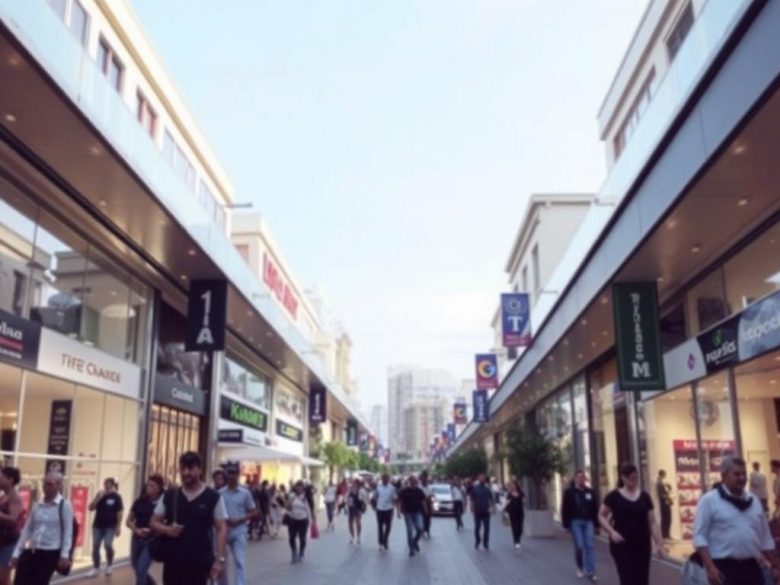
The retail landscape in Nicosia, Cyprus, is undergoing significant transformation, shaped by evolving consumer preferences, technological advancements, and economic shifts. Understanding the trends in retail footfall—specifically the comparison between Nicosia mall footfall and high street retail Cyprus—is crucial for stakeholders ranging from landlords and retailers to urban planners and investors. This article offers a comprehensive, data-driven guide to dissecting these trends, with a particular focus on retail traffic analytics Cyprus and how they reveal deeper insights into consumer behaviour in Nicosia.
Through statistical analysis, economic indicators, and qualitative observations, this guide aims to present a clear picture of how shopping habits are shifting, and what this means for the future of retail spaces. By highlighting the distinctions in foot traffic patterns and integrating factors such as shopping-centre rent Cyprus and urban dynamics, readers will gain nuanced understanding of a complex market.
Understanding Nicosia’s Retail Environment
Nicosia, as the capital and largest city of Cyprus, features a hybrid retail environment. The city’s retail structure comprises modern shopping malls and an extensive, historic high street retail core. High street retail Cyprus traditionally serves as the heart of commerce, with streets lined by independent stores, boutiques, cafes, and service outlets. In contrast, Nicosia malls present a controlled and predictable retail environment offering a variety of international brands, entertainment facilities, and ample parking.
These two retail formats cater to diverse demographics and shopper preferences, and their differing architectures and experiences influence consumer footfall. While high street retail has a long-established place within the city’s urban fabric, Nicosia mall footfall has rapidly increased over the last decade due to factors like convenience, weather protection, and integrated leisure options.
Despite this rise, the economics of these zones differ markedly. Shopping-centre rent Cyprus often commands premium prices linked to brand presence and foot traffic guarantees in malls, whereas retail landlords on high streets navigate more variable rental conditions. This dynamic directly impacts retail strategies and tenant mix in each format.
Retail in Nicosia demonstrates a clear dichotomy: malls attract modern convenience-driven consumers, while high street retail remains pivotal for culture-rich, diversified shopping experiences.
Key Drivers Influencing Retail Footfall
Several macro and micro factors have shaped retail footfall trends in both Nicosia malls and high street locations. Understanding these drivers provides crucial context to consumer behaviour Nicosia-wide.
Economic Conditions and Purchasing Power
The financial health of Nicosia’s residents and visiting populations plays a significant role in retail footfall. Economic growth drives spending, but fluctuations in disposable income can affect how often and where consumers choose to shop. In periods of economic uncertainty, consumer behaviour Nicosia tends to shift towards more value-driven shopping, impacting both mall and high street traffic.
Urban Development and Accessibility
Accessibility is paramount in attracting foot traffic. Malls in Nicosia benefit from strategic locations near transport hubs and extensive parking facilities, making them a preferred choice for those travelling by car. High street retail Cyprus, meanwhile, thrives on pedestrian accessibility, proximity to business districts, and integrated public transport options.
Urban regeneration projects and infrastructure improvements in Nicosia can enhance the attractiveness of high streets, but competing with the comfort and convenience of malls remains a challenge.
Technological Influence and E-Commerce Impact
The rise of e-commerce has altered traditional retail footfall patterns globally, and Nicosia is no exception. Although online shopping is rapidly growing, it has not yet entirely supplanted physical retail in Cyprus, partly due to the social and experiential aspects valued by Cypriot consumers.
Retail traffic analytics Cyprus increasingly incorporate digital metrics, tracking mobile device data, social media activity, and online-offline behavior synergy to forecast footfalls. These analytics have confirmed that while e-commerce causes some dip in physical visits, particularly for commodity goods, experiential and convenience factors continue to drive foot traffic to malls and high streets.
Accessibility and experience, combined with the rise of e-commerce, are reshaping how and where consumers choose to shop in Nicosia.
Comparative Analysis: Nicosia Mall Footfall vs High Street Retail Cyprus
Quantitative data collected over recent years reveal distinct patterns in foot traffic volume and variability between malls and high streets in Nicosia. This comparative analysis leverages retail traffic analytics Cyprus to highlight key divergences.
Footfall Volumes and Temporal Patterns
Malls in Nicosia typically register higher average daily footfall compared to individual high street segments, a function of their consolidated retail offerings and amenities. Peak times in malls often correspond to evenings and weekends, aligned with leisure activities and family visits.
Conversely, high street retail experiences more consistent footfall during weekdays, supported by their proximity to offices and services. However, weekend peaks on high streets, while significant, usually do not reach mall levels. Seasonal variations are also pronounced in both formats but tend to be more dramatic in malls, where holiday events and promotions attract larger crowds.
Footfall Composition and Consumer Profiles
Demographic segmentation shows that malls attract a broader age spectrum, including families, teenagers, and tourists, who seek diverse entertainment options alongside shopping. Meanwhile, high street shoppers tend to include more local residents conducting daily errands, older adults, and specialized shoppers targeting boutique and niche stores.
This difference in footfall composition affects retail offerings and merchandising strategies within each zone. Retailers in malls often prioritize international brand presence and convenience-oriented services, while high street stores emphasize local products and personalized customer experiences.
Impact of Retail Traffic Analytics Cyprus
The adoption of advanced retail traffic analytics Cyprus tools has enabled landlords and retailers to monitor visitor numbers, dwell times, and movement patterns with precision. Utilizing technologies such as People Counters, video analytics, and WiFi tracking, stakeholders gain actionable insights for optimizing store layouts, timing promotions, and adjusting rental terms.
| Aspect | Malls | High Street Retail |
|---|---|---|
| Average Daily Footfall | 20,000+ visitors | 5,000–10,000 visitors per main street |
| Peak Footfall Times | Evenings, weekends, holidays | Weekdays, lunch hours, Saturdays |
| Typical Shopper Profile | Families, tourists, youth | Locals, professionals, niche shoppers |
| Average Rent per m² (Euros) | 40–60 €/m² | 20–40 €/m² |
Advanced footfall tracking empowers retailers to tailor strategies effectively and adapt to shifting consumer dynamics.
Effects of Consumer Behaviour in Nicosia on Retail Footfall
Consumer behaviour in Nicosia is shaped by socio-economic factors, cultural influences, and lifestyle changes. Analyzing this behaviour clarifies the demand drivers behind footfall patterns.
Preference for Convenience and Experience
Nicosian consumers increasingly prioritize convenience, driving higher mall footfall. Malls offer climate-controlled environments, ample parking, and a one-stop shopping experience that aligns with busy urban lifestyles. Additionally, the integration of restaurants, cinemas, and children’s play areas enhances the overall experience, encouraging longer visits.
Contrastingly, high street retail attracts shoppers seeking uniqueness, serendipity, and community interaction. This behaviour reflects a desire for authentic experiences, often in historic or culturally significant surroundings.
Effects of Tourism on Footfall
The tourism industry plays an integral role in Nicosia’s retail ecosystem. Visitors tend to gravitate toward malls for international brands and ease of access, boosting footfall significantly during high tourism seasons. However, high streets benefit from tourists interested in local culture, handicrafts, and specialized products.
Shifts in Spending Patterns
Post-pandemic consumer trends have influenced how often and how much residents and visitors spend. Many consumers lean towards value-for-money retailers, causing a realignment in footfall distribution in both zones. Retail traffic analytics Cyprus detect shifts toward discount chains within malls, and increased support for independent stores on high streets.
Retailers must continually adapt to these changing behaviours, blending digital engagement and physical presence to maintain relevance.
Consumer preferences for convenience, experience, and value shape the divergent footfall realities of malls and high streets in Nicosia.
The Role of Shopping-Centre Rent Cyprus in Retail Viability
Shopping-centre rent Cyprus varies significantly between malls and high street locations, influencing tenant mix, retail viability, and the overall footfall patterns.
High rents in malls are justified by high footfall and extensive facilities, attracting premium brands capable of sustaining these costs. This creates a concentrated retail environment but also puts pressure on smaller retailers, potentially limiting diversity.
In contrast, high street retail Cyprus often offers more flexible and lower rent structures. This affordability encourages a broader range of small businesses and artisans to establish a presence, promoting variety but with less guarantee of consistent foot traffic.
Market data shows a persistent upward trend in shopping-centre rent Cyprus within prime mall locations, reflecting demand but also raising concerns about long-term retail sustainability and the risk of homogenization.
Rent structures play a decisive role in shaping the retail mix and footfall stability across Nicosia’s retail arteries.
Future Outlook: Integrating Data and Strategy for Enhanced Retail Footfall
Looking ahead, the evolution of retail footfall in Nicosia will depend heavily on the intelligent application of retail traffic analytics Cyprus, urban policy, and the retail sector’s adaptability to changing consumer behaviour Nicosia-wide.
Stakeholders should focus on creating hybrid retail environments that merge the benefits of malls and high streets—efficient logistics and rich consumer experiences. Technological deployment such as real-time footfall monitoring, AI-driven consumer insights, and dynamic pricing can further optimize performance.
Moreover, retail landlords and city planners must collaborate to improve accessibility, diversify tenant offerings, and invest in experiential retail that resonates with contemporary consumer desires.
Strategic initiatives incorporating data-driven decision-making will be crucial to sustaining and enhancing both Nicosia mall footfall and the vitality of high street retail Cyprus in the coming years.
Data-informed strategies and adaptive retail models are essential to unlocking the future potential of Nicosia’s retail environments.
Unlocking Retail Success in Nicosia: Navigating Tomorrow’s Footfall Challenges
In the complex and evolving retail landscape of Nicosia, clarity about footfall trends is more valuable than ever. This guide has demonstrated the significant distinctions and interdependencies between Nicosia mall footfall and high street retail Cyprus. Through detailed analysis of economic conditions, consumer behaviour, accessibility, and rent considerations—all reinforced by retail traffic analytics Cyprus—stakeholders can better understand and anticipate market dynamics.
As retail technologies advance and consumer expectations shift, the winning strategies will be those that harness data while fostering diverse, convenient, and engaging shopping environments. Balancing the strengths of shopping malls and high street retail is not just desirable but necessary for sustained growth in this Mediterranean capital.
The retail future in Nicosia is ripe with opportunity—but it requires vigilant adaptation, innovation, and a deep appreciation of local consumer rhythms. Those who successfully navigate these demands will not only capture footfall but also loyalty and economic resilience.
Frequently Asked Questions
- What factors most influence Nicosia mall footfall?
Economic conditions, accessibility, integrated leisure options, and consumer preference for convenience are primary influences. - How does high street retail Cyprus differ in shopper demographics?
High street retail typically serves more local residents, older shoppers, and those seeking niche or boutique stores. - How do retail traffic analytics Cyprus improve retail performance?
They provide data on visitor numbers, behavior patterns, and dwell times, enabling actionable insights for marketing and store layouts. - What impact does shopping-centre rent Cyprus have on retail diversity?
Higher mall rents often limit diversity to premium brands, while lower high street rents encourage a wider variety of independent retailers. - Are e-commerce trends reducing physical retail footfall in Nicosia?
E-commerce affects some retail categories but physical retail remains strong due to social, experiential, and convenience factors. - How does tourism influence retail footfall in Nicosia?
Tourists increase mall footfall for international brands and enhance high street traffic for local and cultural products. - What strategies can retailers adopt to attract more footfall in Nicosia?
Leveraging data analytics, enhancing customer experiences, offering diverse products, and improving accessibility are effective strategies.