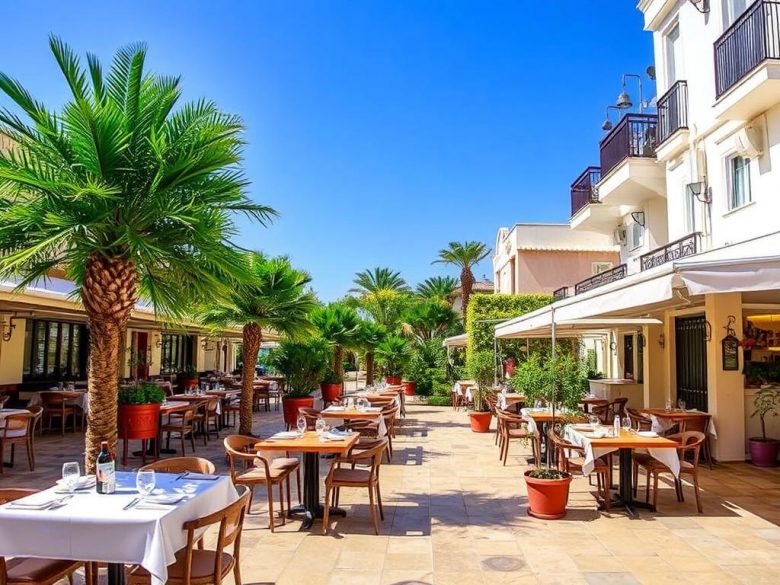
Opening a restaurant in Cyprus offers promising opportunities because of the island’s vibrant tourism sector, growing local demand, and Mediterranean charm. However, succeeding in this competitive hospitality market requires in-depth knowledge of legal and financial aspects, particularly concerning restaurant lease Cyprus agreements, catering property licenses, fit-out costs Cyprus restaurant operators face, and the commercial kitchen requirements Cyprus regulators enforce. Navigating these topics smartly can be the difference between thriving and struggling.
In this article, we take you through everything you need to know about leasing restaurant property in Cyprus, the mandatory licensing protocols, expected fit-out expenses, and practical advice to help streamline your setup and operations. Whether you are targeting food premises rent Limassol or elsewhere, this comprehensive guide covers the core issues that every restaurateur must consider.
Understanding the Restaurant Lease in Cyprus
Leasing the right property is a foundational step when launching a restaurant anywhere, but Cyprus’s unique real estate and regulatory climate call for careful attention. A restaurant lease Cyprus agreement is more than a simple rental contract; it sets the legal and commercial relationship between landlord and tenant and can affect all subsequent business operations.
Restaurant leases in Cyprus typically run on long-term contracts, with an average duration ranging between 3 to 10 years, often including renewal options. This stability is essential for restaurant owners since fit-out costs—detailed later—are significant, and relocating frequently is costly.
When searching for suitable food premises rent Limassol or other cities such as Nicosia or Paphos, entrepreneurs must evaluate several factors: location visibility, foot traffic, accessibility, parking, and complementary businesses nearby. Seaside areas and tourist destinations tend to command higher rents but also promise higher customer volumes.
Cyprus landlords generally demand a security deposit equivalent to 3 to 6 months’ rent. It is also common to negotiate rental escalations, often linked to inflation or fixed increments to protect the landlord’s income against rising costs.
One fundamental aspect is whether the property is already licensed for catering or requires new approvals. Leasing a unit with existing catering property licenses can speed up your launch considerably. However, such properties might come at premium prices.
Choosing the right lease agreement balances location benefits against costs and regulatory readiness—a vital strategic decision for restaurant success in Cyprus.
Obtaining Catering Property Licenses in Cyprus
Operating a restaurant in Cyprus entails acquiring the appropriate catering property licenses, which ensure compliance with public health, safety, and zoning regulations. The licensing process is overseen by the Department of Labour Inspection and the Municipal or Community Authorities, depending on the property’s jurisdiction.
Before signing a lease, prospective tenants must confirm that the property is permitted for restaurant use under local zoning laws. Cyprus implements a zoning classification system that designates which types of businesses can operate in certain areas. Properties unsuitable for food service cannot be legally converted without applying for a zoning change, which is a lengthy process.
The catering property licenses required in Cyprus include:
- Food Handling License: Validates that the food premises meet hygiene standards in line with EU food safety regulations.
- Operating License: Issued by the municipality for the restaurant to conduct business legally.
- Alcohol License: Necessary if the restaurant plans to sell alcoholic beverages; these are separately administered under strict rules.
- Music and Entertainment Licenses: Needed if the restaurant offers live performances or amplified music.
Applicants must submit detailed documentation, including floor plans, ventilation details, commercial kitchen requirements Cyprus mandates, and evidence of staff food handling training. The inspections cover fire safety, waste management, sanitary facilities, and accessibility.
Because the license approval process can extend from several weeks to months, aligning your lease start date with permit acquisition is crucial to avoid paying rent on a non-operational property.
Licenses are the legal backbone of operating any restaurant in Cyprus—cutting corners invites hefty fines and potential closure.
Breaking Down Fit-Out Costs Cyprus Restaurant Entrepreneurs Face
After securing a lease and required licenses, restaurateurs must invest in fitting out the venue to meet operational needs and brand vision. Fit-out costs Cyprus restaurant projects incur vary widely but tend to be substantial due to commercial kitchen requirements Cyprus law enforces combined with the island’s labor and materials pricing.
Key elements influencing fit-out expenses include the venue’s size, the complexity of kitchen equipment, interior design standards, and infrastructural modifications necessary to comply with safety codes. Restaurateurs typically allocate at least 25-40% of their overall initial capital expenditure to fit-out.
Typical fit-out cost components include:
| Fit-Out Component | Description | Average Cost Range (€) |
|---|---|---|
| Commercial Kitchen Equipment | Ovens, refrigerators, dishwashers, ventilation hoods, stainless steel counters | 15,000 – 50,000 |
| Ventilation & Fire Safety Systems | Hood extraction, fire alarms, sprinklers, extinguishers | 10,000 – 25,000 |
| Electrical and Plumbing Upgrades | Installing new wiring, water supply systems, grease traps | 8,000 – 20,000 |
| Interior Decoration and Furnishing | Tables, chairs, lighting, floor finishes | 10,000 – 30,000 |
| Permits and Consultant Fees | Architects, engineers, permit application costs | 5,000 – 12,000 |
The costs fluctuate depending on whether the property has prior restaurant usage or is being converted from other commercial premises. For instance, spaces that require installation of grease traps or new ventilation will significantly increase expenses.
Moreover, Cyprus’s Mediterranean climate influences building materials and HVAC system investments to ensure comfort throughout warm summers and milder winters.
Fit-out is a major financial commitment but is essential to meet regulations and create a functional, attractive restaurant environment.
Meeting Commercial Kitchen Requirements Cyprus Imposes
The commercial kitchen requirements Cyprus enforces are some of the most critical aspects in setting up a restaurant. These regulations ensure food safety, staff well-being, and compliance with European Union standards. Failure to meet these standards can result in severe penalties or operational shutdowns.
The foundational requirements include:
- Ventilation and Air Quality: The kitchen must have an effective extraction system to remove fumes, heat, and cooking odors. Hoods and filters require regular maintenance and certification.
- Sanitation Facilities: Separate sinks for handwashing, food preparation, and dishwashing to avoid cross-contamination.
- Food Storage: Adequate cold rooms, freezers, and dry storage areas with clear separation of raw and cooked products.
- Waste Disposal: Proper garbage bins, grease traps, and a designated waste management plan compliant with local environmental laws.
- Work Surfaces and Flooring: Stainless steel or other non-absorbent, easy-to-clean surfaces. Floors must be non-slip and drainage must be installed.
- Fire Safety: Installations must comply with fire code regulations, including accessible exits, fire extinguishers, and emergency lighting.
- Staff Amenities: Adequate changing rooms, rest areas, and locker facilities as per labor regulations.
Municipal health inspectors conduct thorough examinations of these installations during the licensing process. Additionally, ongoing compliance is expected, with risk-based follow-up inspections.
New operators should engage specialized consultants to design kitchens that optimize workflow while fulfilling all mandated requirements efficiently. These efforts often prevent costly retrofits resulting from regulatory non-compliance.
Adhering to commercial kitchen requirements safeguards your customers, staff, and your license—invest in quality from the start.
Special Considerations When Renting Food Premises in Limassol
Limassol, as one of Cyprus’s largest cities and a bustling commercial hub, presents unique challenges and opportunities for restaurant leasing. Food premises rent Limassol properties often come at a premium compared to other regions due to high demand and tourist influx, especially near the marina, seafront, and historic center.
Landlords in Limassol tend to favor tenants with proven business experience or credible plans, given the competitive environment. Negotiations around lease terms may focus heavily on rent escalation clauses, fit-out approvals, and maintenance responsibilities.
Another Limassol-specific issue is seasonality. While summer months attract large crowds, winters can be relatively quiet, so operators must negotiate rents that allow flexibility or consider temporary rent reductions. Viability studies based on local demographics and tourism patterns are advisable before committing.
Municipal inspections in Limassol are noted for their rigor. Restaurants must promptly respond to any notices regarding compliance with catering property licenses and commercial kitchen requirements Cyprus enforces.
In Limassol, strategic negotiations on lease terms and proactive regulatory compliance are critical for long-term restaurant viability.
Expert Tips for Prospective Restaurant Lessees in Cyprus
Entering the Cyprus restaurant market requires more than just passion and culinary skill. The complex interplay of real estate, legal frameworks, and operational demands calls for strategic planning. Here are several expert tips to help entrepreneurs make smart choices:
- Perform Due Diligence on Every Property: Visit multiple premises and verify their licensing status, zoning, and condition before signing a lease.
- Engage Local Professionals: Work with real estate agents familiar with restaurant lease Cyprus contracts, legal consultants, and hospitality architects to streamline approval and fit-out processes.
- Budget Realistically for Fit-Out: Include contingencies for unforeseen expenses, especially regarding commercial kitchen equipment and renovations to meet health standards.
- Factor in Timing: Align lease start dates with license approvals to avoid paying rent during non-operational periods.
- Negotiate Flexibility: Lease terms should provide options for renewal, rent reviews aligned with market trends, and exit clauses under specific conditions.
- Prioritize Compliance: Early investment in quality ventilation, fire safety, and staff welfare facilities reduces long-term risks.
By treating the leasing and setup phases with the same rigor applied to business planning, restaurant operators can avoid costly mistakes and position themselves for enduring success.
Research, professional advice, and a compliance-first mindset are your strongest allies in Cyprus’s competitive restaurant sector.
Your Roadmap to Flourishing in Cyprus’s Restaurant Market
Leasing the right restaurant property in Cyprus represents the foundational step toward a successful hospitality venture. Navigating the complexities of the restaurant lease Cyprus environment requires careful evaluation of location, lease conditions, and regulatory status. Securing catering property licenses demands early and meticulous preparation, given the stringent health, safety, and zoning oversight.
Fit-out costs Cyprus restaurants face reflect the need for sophisticated kitchen infrastructure, compliance with commercial kitchen requirements Cyprus mandates, and creating inviting customer environments. In dynamic markets like Limassol, practical considerations around rental costs and seasonal demand emphasize the importance of strategic financial and operational planning.
Ultimately, success in Cyprus’s restaurant industry depends on a well-informed, patient approach rooted in legal compliance, financial discipline, and operational excellence. Entrepreneurs willing to invest time and resources into these foundational steps will reap the rewards of thriving in one of the Mediterranean’s most picturesque and promising culinary destinations.
FAQs on Restaurant Leasing and Setup in Cyprus
- What are the main licenses required before opening a restaurant in Cyprus?
You need a Food Handling License, an Operating License from the municipality, and if selling alcohol, an Alcohol License. Music or entertainment may require additional licenses. - How long does it usually take to get catering property licenses approved in Cyprus?
The process typically ranges from several weeks to a few months, depending on the municipality and completeness of your documentation. - What should I consider when signing a restaurant lease Cyprus agreement?
Focus on lease length, rent escalation clauses, security deposit, zoning permissions for restaurant use, and whether the property comes with existing catering licenses. - How expensive are fit-out costs for a restaurant in Cyprus?
Fit-out expenses vary but expect to spend a minimum of €40,000 to €100,000, heavily influenced by kitchen equipment needs and property condition. - What are the critical commercial kitchen requirements Cyprus enforces?
They include efficient ventilation, separate food and handwashing sinks, adequate food storage, waste disposal, fire safety, and proper flooring and work surfaces. - Is food premises rent Limassol higher than other areas in Cyprus?
Yes, Limassol generally commands higher rents due to its economic activity and tourist influx, especially in premium districts. - Can I lease a non-restaurant property and convert it?
Converting a non-restaurant property requires zoning changes and new licenses, which can be time-consuming and costly, making it less ideal than leasing an approved catering property.