In recent years, Limassol has seen a significant rise in cycling as a preferred mode of urban transport. Driven by environmental concerns, health benefits, and increasing urbanization, more residents are turning to bicycles for their daily commutes. The surge of interest in bike commute Cyprus-wide has led to considerable improvements in infrastructure, safety measures, and support facilities. This guide aims to navigate the essentials of cycling in Limassol for 2025, focusing on cycle lanes Limassol offers, bicycle parking availability, commuter cycling routes Cyprus has developed, and vital cycling safety tips Cyprus riders must know.
With cycling gaining prominence as a practical and sustainable transit option, understanding the urban landscape and resources dedicated to cyclists is crucial. Limassol’s evolving infrastructure reflects a commitment to making bike commuting safer, more convenient, and accessible for all skill levels. This article provides a thorough overview of what cyclists can expect, how to navigate Limassol’s growing network, and the equipment and habits necessary to stay secure on the road.
Understanding Cycle Lanes in Limassol
Cycle lanes Limassol has integrated into its transportation grid mark a transformative shift for urban mobility. The city’s approach to dedicated bike paths enhances connectivity and safety for cyclists while reducing conflicts with motor vehicles. These lanes vary widely in design, coverage, and quality as infrastructure projects remain ongoing.
Currently, many of Limassol’s cycle lanes are concentrated along major arterial roads, key commercial districts, and residential neighborhoods. These routes facilitate smoother travel for commuters cycling to work or school. The city prioritizes corridors leading to the waterfront promenade, the city center, and industrial zones due to heavy bike traffic observed there. Many of these lanes are physically separated from vehicular traffic using curbs, bollards, or raised surfaces, which improves rider safety and comfort.
Despite rapid expansion, there remain challenges in linking all parts of the city with continuous cycle lanes. Some areas lack well-marked or protected paths, forcing cyclists to share roads with cars. For commuters new to cycling, this can be intimidating. However, the municipal authorities are rolling out plans to close these gaps by 2026, aiming for a comprehensive network that supports all types of cycling users.
Well-constructed cycle lanes drastically reduce collision risks and encourage more stable and confident commuting.
Bicycle Parking Limassol: Facilities and Accessibility
Secure and convenient bicycle parking is a critical component for encouraging sustained commuter cycling in any city. Limassol has progressively invested in bicycle parking Limassol-wide, understanding that easy access to lockers and stands is vital for daily users. Public and private developments increasingly include bike racks and locked lockers to accommodate different commuter needs.
Key areas such as commercial centers, train stations, universities, and government buildings are now equipped with a variety of parking options. These include open-air racks, semi-enclosed lockers for added protection, and fully enclosed bike storage facilities with electronic access controls. Saliently, many of these parking options are free or available for a nominal fee, designed to maximize use and minimize vandalism or theft risks.
Despite these improvements, some sections of Limassol still report shortages in parking availability, especially during peak hours. Emerging solutions include the installation of new smart lockers that allow for real-time occupancy monitoring and reservations, reducing frustration and boosting confidence in using bikes for daily trips.
A well-distributed network of bike parking encourages consistent bicycle use and deters theft and damage concerns.
Commuter Cycling Routes Cyprus: Navigating the Network
Beyond Limassol, commuter cycling routes Cyprus-wide are developing with an eye on intercity connectivity and regional accessibility. This is crucial for commuters who live in suburban or rural areas but work in urban centers like Limassol. A web of designated routes connects different municipalities, parks, and transport hubs.
The routes often feature a combination of dedicated cycle lanes and quieter secondary roads optimized for bikes. Many of these corridors have signage and route markers to aid navigation and improve safety by alerting drivers to the presence of cyclists. Popular routes are regularly maintained, with attention to surface quality, lighting, and obstruction removal.
Seasonal aspects also influence route conditions. Cyprus’s Mediterranean climate allows for year-round cycling, though summer heat requires careful hydration and sun protection strategies. Winter months, while mild, may introduce occasional rain that makes certain paths slippery, demanding caution.
Transport authorities collaborate with local cycling groups to monitor commuter cycling routes Cyprus-wide and identify priority upgrades such as additional benches, water stations, and safe crossings. The community-driven approach strengthens trust and commitment between cyclists and policymakers.
Cycling Safety Tips Cyprus Riders Must Embrace
Safety remains a prime concern for anyone undertaking bike commute Cyprus-wide or just within Limassol. Cyclists face hazards from unpredictable traffic, poorly maintained roadways, and inattentive pedestrians. The adoption of personal and legal safety measures significantly mitigates these risks. By adhering to established cycling safety tips Cyprus advocates, riders can enhance their security and the safety of others.
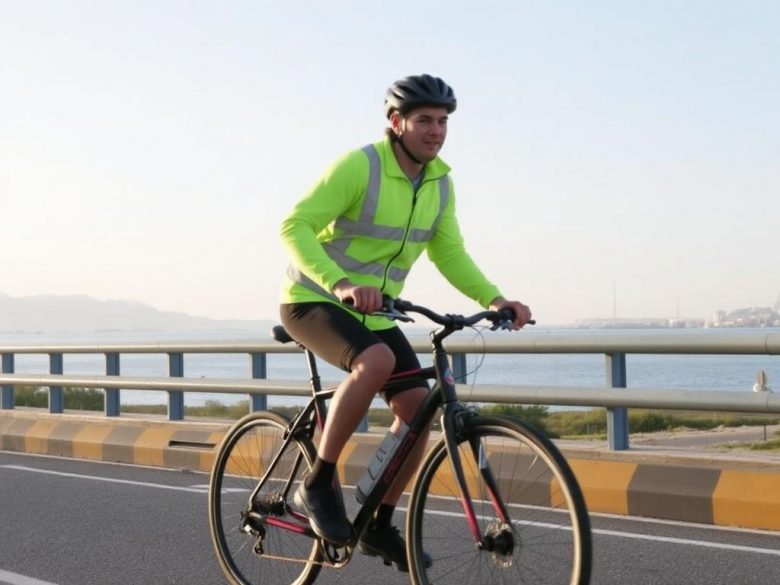
First and foremost, wearing a certified helmet is non-negotiable. Helmets reduce the severity of head injuries in crashes and are mandatory under Cypriot traffic laws. Additionally, using bright and reflective clothing amplifies visibility at dawn, dusk, and nighttime.
Proper lighting is vital. Front white lights and rear red lights, along with reflectors, help ensure that cyclists remain visible to motorists, especially on poorly lit roads. Regular bike maintenance, including brakes and tire checks, prevents mechanical failures that can lead to accidents.
Adopting defensive cycling techniques and obeying traffic signals also form an essential part of cycling safety tips Cyprus offers. This includes anticipating the movements of other road users, signaling turns clearly, and avoiding blind spots of larger vehicles. Understanding local cycling laws, such as where and when you are allowed to use cycle lanes Limassol-wide, adds an extra layer of preparedness.
Proper gear and vigilant habits are the frontline defense against accidents on Cyprus’s roads.
Essential Safety Gear and Equipment for Limassol Cyclists
Equipping oneself with appropriate safety gear is not just about compliance but also confidence and comfort. Beyond helmets and lights, there is a range of gear that supports the modern Limassol cyclist. Gloves with padding protect hands and improve grip, while padded shorts reduce saddle discomfort during longer commutes.
High-quality locks are another indispensable item. Given the risk of bicycle theft, many riders invest in U-locks or folding locks combined with tracking devices. Some parking lockers Limassol facilities now support smart lock integration, allowing for seamless security management via smartphone apps.
Additional accessories include mirrors for better lateral visibility, bell or horn signals for alerting pedestrians and other riders, and hydration systems embedded into backpacks or bikes. Weather-appropriate gear, such as waterproof jackets, sun sleeves, and sunglasses with UV protection, keep cyclists comfortable and protected against Cyprus’s climate variations.
For those commuting early in the morning or late at night, reflective tape or LED armbands further boost visibility. Integrating technology, many Limassol cyclists use GPS devices and cycling apps that track routes, speed, and even offer crash detection in emergency situations.
The Future of Cycling Infrastructure in Limassol
Limassol’s commitment to becoming a bike-friendly city by 2025 is part of a broader sustainable transport strategy. Municipal plans emphasize expanding cycle lanes Limassol-wide, improving public bike-sharing systems, and upgrading facilities like bicycle parking Limassol-wide to meet increasing demand.
One exciting development includes the construction of continuous green corridors that allow uninterrupted riding away from heavy traffic areas. These corridors will connect major hubs, parks, and residential zones, promoting more extensive use of bicycles for both commuting and recreation. Autonomous bike lockers equipped with solar-powered charging points for electric bikes are also planned, reflecting global trends in electric mobility.
The local government collaborates closely with regional and European Union bodies to secure funding and technical expertise aimed at enhancing commuter cycling routes Cyprus-wide. Efforts to integrate cycling with public transportation further facilitate multimodal commutes, offering seamless transfers between bikes, buses, and trains.
Investing smartly in infrastructure and technology defines Limassol’s vision of a safer, greener, and connectivity-rich cycling future.
Gear Up and Ride Safe: Your Journey Starts Here
Choosing to cycle in Limassol in 2025 means engaging in a progressive urban lifestyle backed by growing networks of cycle lanes Limassol is proud of. It means knowing where secure bicycle parking Limassol offers and how to navigate commuter cycling routes Cyprus supports across the region. It also requires embracing cycling safety tips Cyprus cyclists practice and investing in the right safety gear to protect yourself on every ride.
As the city continues to innovate and expand its cycling infrastructure, riders gain confidence that their daily journey will be safer, easier, and far more enjoyable than ever before. Whether you are a seasoned commuter or just contemplating adopting a bike commute Cyprus-wide, the opportunities and resources available set a promising standard for active urban mobility.
The road ahead is clear—equip yourself wisely, follow local guidelines, and contribute to Limassol’s growing community of urban cyclists who shape a healthier, smarter, and more vibrant city.
Frequently Asked Questions
- What are the main cycle lanes Limassol currently offers, and where are they located?
Limassol’s main cycle lanes are concentrated along the coastal promenade, city center, and key arterial roads such as Makariou Avenue and Anexartisias Street, with ongoing expansions in residential and industrial areas. - Are there secure bicycle parking options available throughout Limassol?
Yes, Limassol features public bicycle racks, semi-enclosed lockers, and fully enclosed storage facilities in commercial areas, transport hubs, and government buildings, though availability varies by location. - How do commuter cycling routes Cyprus-wide integrate with Limassol’s local networks?
Regional cycling routes connect Limassol with neighboring suburbs and cities using a mix of dedicated lanes and quiet roads, often signposted and maintained for safe continuous travel. - What essential cycling safety tips Cyprus riders should always follow?
Always wear a helmet, use front and rear lights, wear reflective clothing, obey traffic signals, maintain your bike regularly, and adopt defensive riding techniques. - Is cycling year-round feasible in Limassol, considering the climate?
Yes, Cyprus’s mild Mediterranean climate supports year-round cycling, though summer heat requires hydration and sun protection, and occasional winter rain calls for caution. - What new cycling infrastructure developments can cyclists expect in Limassol soon?
Cyclists can anticipate new continuous green corridors, upgraded parking facilities including smart lockers, expanded cycle lanes, and better integration with public transport systems. - Are electric bikes supported in Limassol’s cycling infrastructure?
Yes, infrastructure improvements include charging stations and secure parking designed to accommodate electric bikes as their popularity increases.