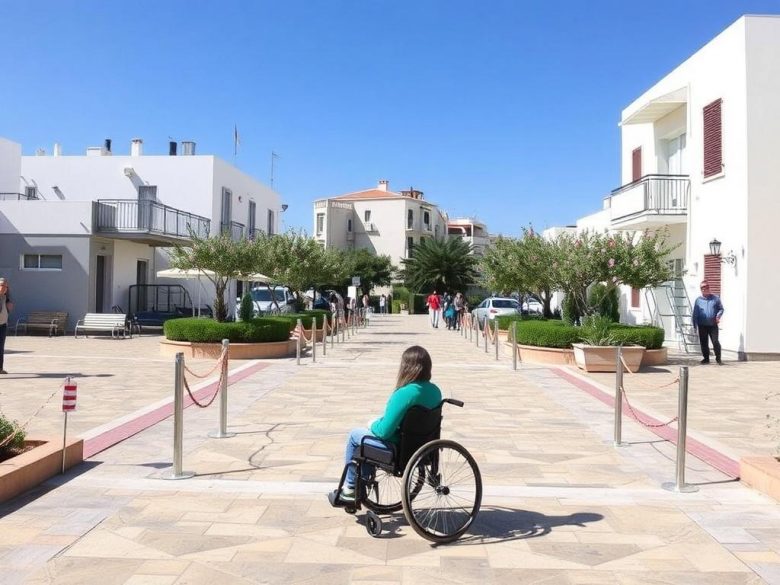
Cyprus, a Mediterranean island known for its rich history, breathtaking landscapes, and warm hospitality, has increasingly become a destination focused on inclusivity. For wheelchair users and travelers with mobility challenges, understanding the dynamics of wheelchair access Cyprus is essential before planning a visit. This article delves deep into the available infrastructure, legal frameworks, accessible transport Cyprus options, and accommodation choices, ensuring a smooth and enjoyable experience on this beautiful island. Whether you’re planning a cultural excursion through ancient ruins or a relaxing beach holiday, knowing which locations and services are disabled-friendly Cyprus will make all the difference.
Understanding Accessibility Laws in Cyprus
The foundation of any disability-friendly destination lies in its legal commitment to accessibility. Cyprus has made significant strides in this area. The accessibility laws Cyprus govern the rights of people with disabilities, mandating a framework that supports barrier-free environments. These laws include specific regulations related to public spaces, transport, accommodation, and employment.
The Law on Equal Treatment in Employment and Occupation 2004 was one of the initial steps Cyprus took to ensure equal rights, prohibiting discrimination based on disability in employment settings. More recently, the Law on the Rights of Persons with Disabilities (Law 127(I)/2000) emphasizes the need for universal access to buildings, public transport, and social services. One notable update includes the gradual enforcement of accessibility standards aligned with the EU’s broader mandate on disability rights.
Public authorities in Cyprus are obliged to adapt their services to be accessible, and this extends to tourist facilities, museums, and cultural institutions. While enforcement can sometimes lag behind legislation, the trend is toward stricter adherence and increased public awareness.
Strong enforcement of accessibility laws Cyprus is paving the way for a more inclusive travel experience on the island.
Wheelchair Access Across Cyprus: Key Challenges and Developments
Despite legislative progress, wheelchair access Cyprus varies widely between urban and rural areas. Nicosia, Limassol, and Larnaca offer relatively better infrastructure, aided by tourism demand and municipal investment. Sidewalks in main city centers have ramps, tactile paving, and curb cuts, facilitating easier navigation for wheelchair users.
However, sightseeing spots outside the main cities may present difficulties. Historical sites, while stunning, often involve uneven terrain, steps, and narrow pathways. Efforts have been made at key tourist destinations such as the ancient city of Kourion and the Tombs of the Kings to introduce ramps, but full accessibility remains a work in progress.
Beaches are another focal point. Cyprus boasts numerous Blue Flag beaches known for their cleanliness and amenities, yet not all provide wheelchair access. Recently, beachfront areas such as Nissi Beach in Ayia Napa and Faros Beach in Paphos have installed accessible walkways and amphibious wheelchairs, allowing disabled visitors easier access to the shoreline and water activities.
Shopping districts and restaurants in tourist areas increasingly consider disabled accessibility, but it’s advisable to check in advance to avoid unexpected obstacles. Language barriers can be a factor as well, so bringing a translated accessibility request card or using translation apps can help when asking for assistance or information.
While challenges remain, Cyprus is actively improving wheelchair access, particularly in urban centers and popular tourist hotspots.
Accessible Transport Cyprus: Moving Around with Ease
Transportation is one of the most critical components for wheelchair users visiting Cyprus. The island’s public and private transport options showcase a mix of improvements and areas needing attention.
Buses in major cities like Nicosia and Limassol have been progressively updated to accommodate wheelchair users, with low-floor vehicles, wheelchair ramps, and designated spaces. The Nicosia Transport Authority (OSYPA) has committed to expanding this fleet to ensure that most daytime public routes include accessible buses by 2025.
Taxi services in Cyprus also offer accessible options, though not universally. Specialized wheelchair-accessible taxis can be booked in advance in larger cities, but availability may be limited outside peak tourist seasons or in rural areas. It is recommended to arrange such services beforehand through local accessibility agencies or hotel concierge desks.
Car rental companies increasingly provide adapted vehicles for travelers who use wheelchairs, such as hand-controlled cars and vehicles with lowered floors. However, these services are confined to certain locations, mainly the airports and major cities, so early reservation is essential.
For intercity travel, wheelchair users often face limitations. Long-distance coaches are less likely to be fully accessible, and train service does not exist in Cyprus. Therefore, planning routes based on accessible taxis and private transfers is prudent to avoid barriers.
Accessible transport Cyprus options are expanding steadily, but pre-planning remains vital for hassle-free mobility.
Barrier-Free Hotels Cyprus: Finding Comfortable and Accessible Accommodations
Accommodation quality varies significantly, but an increasing number of barrier-free hotels Cyprus have emerged to meet demand. Many hotels invest in ramps, accessible rooms with adapted bathrooms, wide doorways, and elevators with braille panels and audible signals.
Among the most disabled-friendly Cyprus hotels are larger international chains and boutique properties in Limassol, Paphos, and Ayia Napa, which actively advertise their accessibility features. Booking platforms and travel agencies specializing in accessible tourism provide filters and detailed accessibility information to help narrow choices.
It’s important to inquire specifically about the following features, which vary from property to property:
- Accessible restroom facilities with grab bars and roll-in showers
- Adjustable beds and space to maneuver a wheelchair comfortably
- Access to hotel amenities such as pools, spas, and restaurants
- Proximity to accessible public transport and tourist attractions
While Cyprus is working towards compliance with accessibility laws Cyprus, smaller family-run hotels and guesthouses may have limited adaptations. Thus, confirming these details in advance helps avoid inconvenient surprises once on site.
Barrier-free hotels Cyprus combine comfort with convenience, enhancing the travel experience for wheelchair users.
Practical Tips for Wheelchair Users Traveling in Cyprus
Planning ahead is the key to a successful and enjoyable trip in Cyprus. Here are practical tips based on real experiences to maximize convenience and safety:
1. Research Thoroughly: Use online resources, official tourism websites, and accessibility forums. Reach out to local disabled organizations for updated information about wheelchair access Cyprus in various locations.
2. Contact Accommodation Directly: Verify accessibility specifics such as door widths, bathroom modifications, and elevator access. Request photos or videos when possible to assess suitability.
3. Pre-Book Transport: Arrange wheelchair-accessible taxis or adapted rental vehicles well in advance, especially outside major cities.
4. Pack Mobility Aids Carefully: Cyprus has good medical facilities, but bringing backup batteries for powered wheelchairs or scooters is advisable due to the limited charging infrastructure outdoors.
5. Plan Flexible Itineraries: Allow for rest periods and understand that some heritage sites or natural parks might have restricted access.
6. Utilize Beach Accessibility Tools: Check which beaches offer amphibious wheelchairs or accessible piers, essential for enjoying Cyprus’ beautiful coastlines without barriers.
Preparation and local knowledge empower wheelchair users to unlock the best of Cyprus without unnecessary setbacks.
Emerging Innovations in Accessibility and the Future of Disabled-Friendly Cyprus
Cyprus is undergoing a gradual transformation toward becoming a more disabled-friendly Cyprus destination. Technological and infrastructural developments are shaping this future landscape.
Smart city initiatives in Nicosia and Limassol include real-time information kiosks with accessibility features, mobile apps guiding wheelchair-friendly routes, and augmented reality tools to assist visually impaired tourists. Transport systems are gradually adopting onboard announcements and tactile guides for easy use by people with disabilities.
On the accommodation front, hotels increasingly integrate universal design principles, anticipating the needs of all guests, including wheelchair users. The hospitality sector collaborates with advocacy groups to implement staff training that enhances service quality for travelers with mobility impairments.
Moreover, Cyprus promotes inclusive tourism events and awareness campaigns to highlight the importance of accessibility. Such efforts motivate businesses to upgrade facilities and embrace comprehensive accessibility methods beyond minimum legal requirements.
Government and private sector cooperation is vital in continuing this momentum. Investments in accessible infrastructure and public-private partnerships provide the foundation for lasting improvements.
The future of disabled-friendly Cyprus is one of progressive inclusion, fueled by innovation and community commitment.
Unlocking Cyprus: Your Path to a Barrier-Free Adventure
Traveling to Cyprus as a wheelchair user may present its challenges, but the island’s increasing dedication to accessibility transforms these obstacles into opportunities for exploration and enjoyment. By understanding the legal expectations, making use of available accessible transport Cyprus, choosing barrier-free hotels Cyprus, and staying informed about local conditions, visitors can craft an experience rich in culture, nature, and relaxation.
Cyprus’ warm climate and hospitable people add to the welcoming atmosphere for disabled travelers. Whether marveling at ancient ruins, strolling through lively markets, or dipping toes into crystal-clear waters, wheelchairs and mobility aids need not limit your journey.
Embracing the resources and tips outlined here equips visitors to navigate Cyprus confidently, unlocking a destination that values accessibility as an integral part of its charm. With ongoing improvements and heightened awareness, Cyprus is steadily realizing its potential as a truly barrier-free Mediterranean gem.
Discover Cyprus beyond barriers—where accessibility meets adventure and every traveler belongs.
Frequently Asked Questions
-
Is wheelchair access available at major airports in Cyprus?
Yes. Both Larnaca and Paphos airports have wheelchair access, including ramps, elevators, and accessible restrooms to facilitate smooth arrival and departure experiences. -
Can I find wheelchair-accessible taxis throughout Cyprus?
Accessible taxis are available mainly in larger cities and tourist areas, but they should be booked in advance due to limited numbers. -
Are Cyprus beaches equipped for wheelchair users?
Several popular beaches have installed accessible pathways and amphibious wheelchairs, but coverage is not uniform across all beaches. -
Do Cypriot hotels comply with accessibility laws?
Many hotels, especially larger chains and those in tourist hubs, meet accessibility standards, but it’s recommended to confirm specific features directly. -
Is public transportation in Cyprus wheelchair accessible?
Major cities are improving bus fleets with wheelchair-friendly vehicles, while rural and long-distance transport remain less accessible. -
Are there any apps or resources to help plan accessible travel in Cyprus?
Yes. Several mobile apps and websites provide updated accessibility information, routes, and services tailored to wheelchair users and disabled travelers. -
What should I know about Cyprus’ accessibility laws?
Cyprus has comprehensive laws mandating accessibility in public spaces and services, but enforcement varies; ongoing improvements aim to meet EU standards.